
Vitamin Skin Health
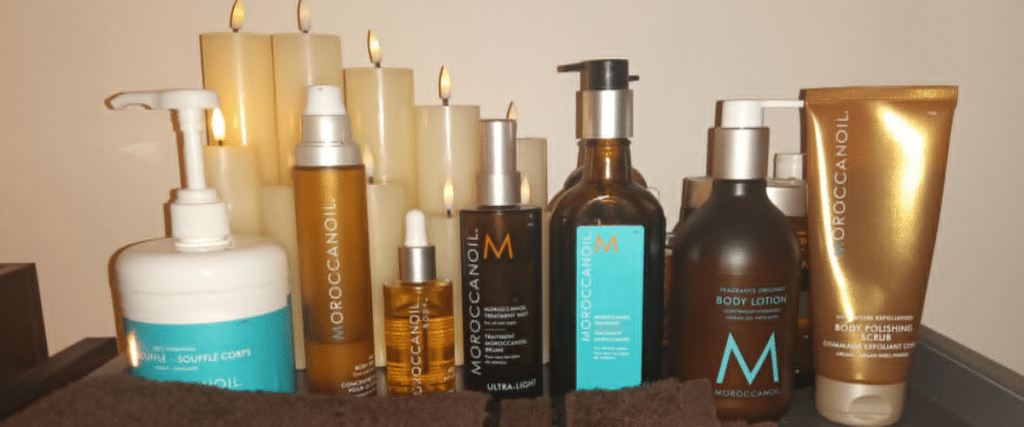
Vitamin C
Vitamin C is the most abundant antioxidant in your skin and helps protect it from damage. It works alongside other antioxidants to neutralize harmful molecules called reactive oxygen species (ROS) produced when your skin is exposed to UV light.
These ROS include substances such as superoxide ions, peroxides, and singlet oxygen, which can cause skin damage and accelerate aging. Additionally, UV exposure lowers Vitamin C levels. So, if you spend a lot of time in the sun, replenish your Vitamin C with a healthy diet and a skincare routine.
Vitamin C is essential for the production of collagen, the protein that keeps your skin firm and strong. It increases collagen quantity and quality by acting as a cofactor for enzymes (prolyl and lysyl hydroxylase) that stabilize and strengthen collagen fibers. It also triggers lipid peroxidation, which produces malondialdehyde, a substance that activates collagen genes and promotes more collagen production.
It also helps activate collagen-producing genes and stabilizes procollagen mRNA to support proper formation.
Vitamin C Deficiency
Vitamin C deficiency leads to scurvy, a disease caused by poor collagen production that results in weak skin, bleeding gums, and slow wound healing. Studies show that applying Vitamin C to the skin boosts collagen production, helping both young and aging skin stay firm and healthy.
How to Get Vitamin C
For skincare, Vitamin C comes in creams, serums, and patches, but serums are the most effective because they contain Vitamin C in a nearly colorless form. Here are a few things to consider when using topical Vitamin C:
- It is unstable and can turn yellow when exposed to light. If your product has turned yellow, its potency and benefits will be reduced, and the risk of skin irritation increases.
- Your Vitamin C skincare products must have a pH lower than 3.5. This helps keep them stable and improves skin absorption.
- Its effectiveness increases with concentration, but only up to 20%. Higher levels do not increase their benefit.
- Once applied, it remains active in your skin for about 4 days, so regular use is important for long-lasting protection.
- UV light reduces Vitamin C levels in your skin, so it is best to apply it after sun exposure, not before. Studies show that combining it with tyrosine and zinc makes it up to 20 times more effective than using it alone.
Vitamin E
As an antioxidant, Vitamin E helps protect your skin from environmental stressors, such as UV radiation and pollution. These stressors generate free radicals, unstable molecules that can contribute to premature aging.
This vitamin is also known for boosting collagen production, reducing pigmentation and dark spots, promoting firmer, healthier skin, and supporting moisture retention and gland function.
When paired with Vitamin C, it enhances antioxidant protection by helping neutralize free radicals before they damage your skin or cause premature aging.
Vitamin E Deficiency
Vitamin E deficiency is rare in healthy people, but it can occur due to malabsorption disorders, genetic mutations, and prolonged malnutrition. Fortunately, early detection and supplementation can reverse symptoms, especially in neurological and muscular conditions.
People with Vitamin E Deficiency may experience:
- Neurological disorders, such as peripheral neuropathy.
- Muscular issues, such as myopathy and skeletal muscle damage.
- Immune system impairment, including reduced immune response and compromised antioxidant protection.
How to Get Vitamin E
Vitamin E naturally occurs as tocopherols, with alpha-tocopherol being the most potent. In its natural form (unesterified α-tocopherol), it supports overall skin health.
It is oil-soluble, making it ideal for creams, serums, and other skincare products. Here are a few things to consider when using topical Vitamin E:
- It helps moisturize, strengthens skin membranes, and protects polyunsaturated fatty acids from oxidation. It is easily absorbed into the skin and hair, stabilizing the skin’s structure and improving hydration and elasticity.
- Vitamin E traps free radicals to prevent skin damage.
- Vitamin C helps regenerate Vitamin E, making them more effective together. This combination provides stronger antioxidant protection for the skin.
Pain Management Massage
Pain management massage can be the ultimate way to relax and manage stress. If you are searching for an hour or more of pure pampering, schedule a pain management massage today.
Learn more about pain management massage.
Vitamin A
Vitamin A comes in two primary forms: provitamin A carotenoids in plant-based foods and preformed vitamin A, such as retinol, in animal sources and skincare formulations.
Vitamin A is believed to help balance your immune system by modulating cytokines, molecules that regulate inflammation and healing. A review of studies found that it lowered specific inflammatory markers (IL-17, IFN-y) and increased anti-inflammatory ones (TGF-B, FOXP3), especially in individuals with autoimmune conditions such as MS. Some speculate that combining red light therapy with this vitamin may improve skin health and wound recovery.
Vitamin A Deficiency
Vitamin A deficiencies can lead to several conditions that primarily affect vision, immune function, and epithelial tissues. This is because it is crucial for retinal function, cell differentiation, immune response, and epithelial maintenance. Fortunately, severe vitamin A deficiency is rare in developed countries, as foods such as liver, carrots, and leafy greens are readily available.
- Eye disorders. This may include night blindness and Xerophthalmia.
- Impaired immune function. Low levels may increase susceptibility to infections by compromising mucosal barriers and reducing cellular function.
- Skin and epithelial issues. This may include rough, bumpy skin due to keratinized hair follicles, as well as dryness and scaling.
How to get Vitamin A
- Due to Vitamin A’s role in skin renewal, it may help encourage the growth of new blood vessels (neoangiogenesis), supporting oxygen and nutrient delivery. When used in conjunction with red light therapy, it is believed to foster a supportive environment for skin recovery and regeneration.
- Retinoids, a form of Vitamin A, are often used in skincare for their potential to enhance cell turnover and collagen production.
- Since red light therapy helps boost collagen and improve skin health, applying Vitamin A after a red light therapy session may enhance these benefits. However, research shows that retinol breaks down when exposed to light, so it should be used afterward, rather than before, followed by a moisturizer to help maintain skin hydration. Since both speed up skin renewal, they may increase sensitivity and dryness if not used properly.
Biological Factors and Building Safety
Biological factors include injury, inflammation, tension, fatigue, sleep, and other physical states that can feed into pain. Building Safety encourages you to identify clearer safety cues for comfort and protection.
Warmth, paced touch, rest, gentle movement, and calm sensory experiences can help you feel less threatened. When your brain has more evidence of safety, protective responses become accurate, and pain becomes more manageable.
You are listening to provide it with the safety it needs.
Psychological Factors and Sharpening Discernment
Psychological factors include thoughts, beliefs, attention, fear, expectation, and the meaning pain carries. Sharpening Discernment works here by helping you notice what your sensations are asking for.
Some sensations need care, while others have become louder because of stress, old patterns, or urgent interpretations. Sharpening Discernment encourages clearer somatic communication, deeper self-understanding, and a more accurate response to what you feel. As your discernment develops, pain is less likely to automatically equal emergency, damage, or failure.
Social Factors and Quieting the Noise
Social factors can make living with pain more difficult. If the people around you doubt your discomfort, minimize it, or expect you to push through it, the experience can become more stressful and isolating. Pressure from work, family roles, or daily responsibilities can keep you stressed and your nervous system on high alert. Feeling unseen, unsupported, or forced to prove the pain is real can compound it.
Quieting the Noise helps by giving you ways to reduce the extra intensity that social pressure can create. When disbelief, isolation, or the need to prove your pain increases your discomfort, this pillar helps you slow down, notice what is being amplified, and respond calmly.
Instead of carrying every outside judgment as further evidence of danger, you learn how to separate what needs care from what has become more uncomfortable because of stress. Over time, this can reduce the added burden that social factors play in your life to manage your pain.
Disclaimer
Information provided on this website, including educational materials, pain neuroscience explanations, treatment suggestions, and any other content shared during sessions, classes, or coaching, is for educational purposes only. It is not intended to diagnose, treat, cure, or prevent any disease or medical condition, and is not a substitute for professional medical advice, diagnosis, or treatment.
You should always consult a qualified healthcare provider regarding any medical concerns. Never disregard professional medical advice or delay seeking it because of information you receive here.
O'Fallon Pain Management
Pain Management Massage Near Me
2717 Hwy K, O’Fallon, MO 63368