
Deep Tissue Massage Class
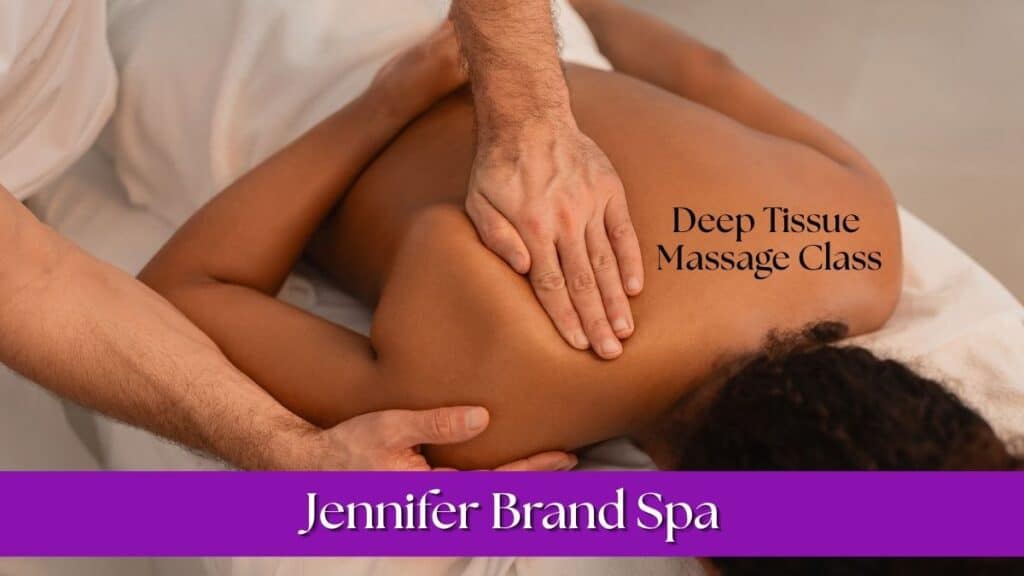
Learning How To Massage
When you are first learning to massage, the emotional experience is similar to how it feels when trying to comfort someone in distress. The key to both situations isn’t to say the perfect words, but to be present, compassionate, and kind.
If you feel yourself freeze up, or your mind goes blank, know it’s going to be okay. Take a breath, encourage your nerves to settle, and imagine what you think would feel good, then start with that approach.
As you learn to massage, take your time, be patient, and communicate. A magnificent massage isn’t the result of knowing the best techniques; it’s listening and adapting to someone’s needs.
Swedish Massage Techniques
If you are new to massage, it may help to learn what many describe as the Swedish, or basic, massage techniques. This will introduce you to what are considered the fundamentals of massage.
Why is Swedish massage being mentioned if I am here to learn about deep tissue massage? Like most terms in the massage industry, deep tissue, Swedish massage, and even medical massage are closer to marketing labels than actual massage modalities.
The public uses these terms to find the closest care to what they want. They have a general idea of what Swedish and deep tissue massage are, so by understanding what they expect, you can customize their massage to meet those expectations.
Are They Really Swedish Massage Techniques?
The basic massage techniques were not a byproduct of Swedish massage or medical gymnastics (learn more in massage history), but Johann Georg Mezger, a Dutch physiotherapist, codified them.
Massage Terms Are Not Well Defined
The massage industry’s terminology is not well defined. Deep tissue is one of many terms with different definitions that change depending on who you speak to.
Some deep tissue massage therapists use light pressure, while others use so much force it feels like they are trying to crush your bones. Unfortunately, you can’t know their approach until you are on their treatment table.
MTBOK
People have tried to codify the massage industry’s terminology. In 2011, the MTBOK was created to achieve this goal. National organizations such as the AMTA, ABMP, AFTME, FSMTB, Massage Therapy Foundation, and National Certification Board for Therapeutic Massage and Bodywork stewarded this effort.
Although the research and development of the MTBOK received strong support, it experienced mixed reviews from the professional body and was not adopted by the industry.
Best Massage Pressure
What are the best massage pressures to use? Many believe firm pressure or deep tissue massage is most beneficial, while others argue that soft pressure is most effective. The actual answer is whatever feels good.
Pressure is subjective. The kinetic force you believe you are applying is likely not the same as what someone perceives they are receiving. The concepts of light, medium, and firm massage pressure levels are abstract ideas. Understanding them, especially as a novice, is a fool’s errand.
It takes years of experience and careful observation to effectively quantify massage pressure levels in a manner that is both helpful and accurate. Fortunately, pressure isn’t about how much force you apply; it’s how you engage with the nervous system.
6 Steps To Perform A Deep Tissue Massage
- Massage on a supportive surface.
- Watch your joints and avoid using your thumbs.
- Communicate as you apply pressure.
- Be mindful of your limits.
- Explore the skin and muscles.
- Massage three-dimensionally.
1. Massage on a supportive surface.
2. Watch your joints and avoid using your thumbs.
3. Communicate as you apply pressure.
4. Be mindful of your limits.
5. Explore the skin and muscle.
6. Massage three-dimensionally.
Deep Tissue Massage Class
JB SPA
2717 Hwy K, O’Fallon, MO 63368
Disclaimer
Information provided on this website, including educational materials, pain neuroscience explanations, treatment suggestions, and any other content shared during sessions, classes, or coaching, is for educational purposes only. It is not intended to diagnose, treat, cure, or prevent any disease or medical condition, and is not a substitute for professional medical advice, diagnosis, or treatment.
You should always consult a qualified healthcare provider regarding any medical concerns. Never disregard professional medical advice or delay seeking it because of information you receive here.