
Chronic Pain Is An Overprotective Parent

Overprotective Parent

Chronic pain is an overprotective parent, and we need to prove to it that we are responsible and safe.

Why does my body hurt so much?

When you are in pain, especially when there isn’t an obvious reason, it makes you want to pull on your hair and say, “Why does my body hurt so much?”
 
Invisible pain, the kind that lacks an obvious injury, can be challenging to navigate, but there is hope. Once you understand what pain is and why it occurs, you will start unlocking the doors to peace, ease, and pain relief. 
 
For many, the reason they are in so much pain is that their nervous system doesn’t feel safe, so it overreacts to protect them. This overreaction shows up as various protective measures, including pain.
 

What is Pain?

Pain is a protective response your brain uses to help keep you safe. It is not always the result of injury; you can experience pain without being wounded.
 
This is an important distinction, because once you understand that pain can exist in the absence of injury, it brings you one step closer to effectively managing your pain.
 

How Does the Body Feel Pain?

The answer is pretty wild, but it’s this: It doesn’t. The body doesn’t have pain nerves or even pain receptors. Your body can’t create pain because your brain produces it.
 
Pain is not a signal that an injured area sends to the brain, because pain is an output from the brain.
 

Why Does My Back Hurt?

You might ask, “What am I feeling in my back if the pain isn’t coming from my body? Is my pain even real?”
 
You are feeling exactly what you think it is: pain, and your discomfort is absolutely real. All pain is real, and anyone who tells you otherwise is insensitive beyond measure.
 
Your back hurts because your brain has decided that there are enough indications of danger that it needs to initiate a protective response to keep you safe. It’s probably taking several actions right now to limit your mobility, but the main one most people notice is pain.
 

How Does My Brain Decide that My Back Hurts?

Whether it’s your neck, knee, or back, every painful sensation is produced by your brain after it assesses danger and safety. Using neurotags, learned protective patterns influence that assessment, and in some cases, central sensitization can further amplify your experience of pain.
 
To answer your question, “How does my brain decide that my back hurts?” Your brain decides that your back hurts by weighing the available evidence of danger and safety in the moment. It takes in information from the tissues, your posture and movement, past experiences with your back, your current stress level, and the protective patterns it has learned over time. When the balance of that evidence points toward a need for protection, the brain produces a sensation of pain in your back. The pain is real, and it is the brain’s way of trying to keep you safe based on the information it has access to.
 

Overprotective Parent

Sometimes your brain doesn’t receive a nociceptive signal, yet still creates pain. This is because it fears you are about to be injured, so it takes preemptive action to protect you. This can be stressful, especially when you aren’t doing anything that could possibly cause harm.
 
In some respects, the brain is so afraid of the body getting hurt that it has become a helicopter parent who is doing everything in their power to keep you safe. 
 
It is easy to get frustrated and angry at yourself when this happens. “Why am I hurting so much? I didn’t do anything to cause this much pain!”
 
This is a common response that, unfortunately, doesn’t help reduce discomfort. Instead, it often intensifies it.  The more worked up you get over your pain, the more intense it can become.
 
Once you have entered the self-sustaining feedback loop of anxiety-pain, it can result in a snowball effect that feels increasingly difficult to stop.
 

Self Care

 
  1. Talk to the area that hurts like you were speaking to a baby. As ridiculous as this may sound, this is an approach that is used for people who have extreme pain syndromes like CRPS (Complex Regional Pain Syndrome). You may laugh at yourself in the process of talking like this, which is great, because laughter is a great method of managing pain.
  2. Take your mind to a place that is calm, tranquil, and uplifting. This method is often used to help people who have PTSD or are using therapies like EMDR to help them escape intense emotions. When I am stressed, overwhelmed, or in extreme levels of pain, I take myself to my favorite memory of being on the beach. When I was going through chemotherapy, I often imagined myself doing pushups in the street.
  3. Massage an area that feels good and is unrelated to the pain. While this may sound counterintuitive, the goal is to lower your stress levels. The goal is to experience something that feels good, while it may distract you from the current pain, the actual intention is to lower your anxiety levels. As a result, this can bring down your magnified levels of pain due to your stress.
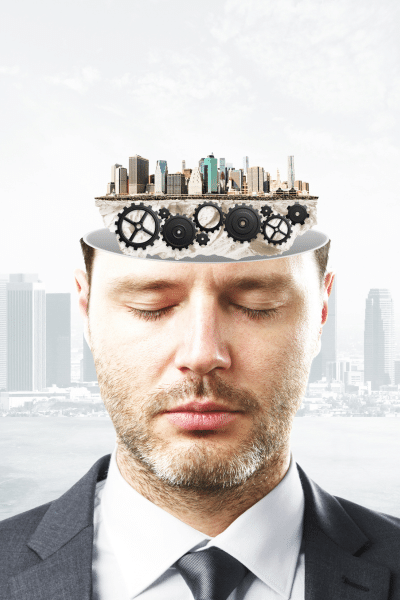
chronic pain is an overprotective parent

Take the Next Step

When pain shows up without a clear reason, it can feel confusing and exhausting. Discovering Safety Within and pain management coaching help you understand these protective patterns and respond to them with more clarity, so the cycle of anxiety and pain becomes easier to manage.

Learn more about pain management coaching and take the next step.

Disclaimer

Information provided on this website, including educational materials, pain neuroscience explanations, treatment suggestions, and any other content shared during sessions, classes, or coaching, is for educational purposes only. It is not intended to diagnose, treat, cure, or prevent any disease or medical condition, and is not a substitute for professional medical advice, diagnosis, or treatment.

You should always consult a qualified healthcare provider regarding any medical concerns. Never disregard professional medical advice or delay seeking it because of information you receive here.

Jennifer Brand Spa

Pain Management at 2717 Hwy K, O’Fallon, MO 63368