
Communication
Communicate How You Feel
Open Communication
- Allows me to provide you with your perfect pressure in every area I massage.
- It helps me analyze your patterns of pain, so I may adapt my approach to maximize the results of your massage.
- Articulating how you feel improves your interoception, which helps develop your mind-body awareness.
Perfect Pressure
Pressure is subjective. What you consider light will be firm to someone else, and vice versa. The goal isn’t to endure painful pressure or feel as if you are being tickled by a feather; it is to experience pleasurable touch.
The only way to consistently experience your perfect level of pressure is to communicate with your therapist.
Adapting To Your Needs
Mind-Body Awareness
5 General Sensations of a Massage
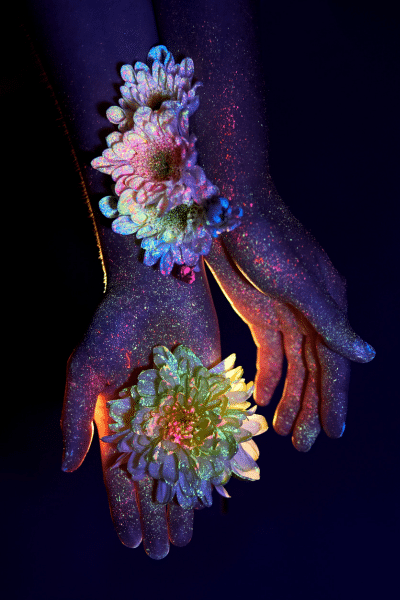
During a massage, there are five general types of sensation you may feel. These are pleasure, meh, hurts-so-good, rewarding, and pain. They will help you communicate with your therapist.
- Pleasure means the sensation feels good.
- Meh means the sensation is neither good nor bad; it is a nothing-burger type of feeling.
- Hurts-so-good is when a sensation is uncomfortable while simultaneously feeling good.
- Rewarding is when you feel something good happening, but you cannot articulate what or how, and it may be pleasurable, meh, or hurts-so-good.
- Pain is any sensation that doesn’t feel good. In massage, pressure should never exceed the threshold of pain; if it does, please alert your therapist so they can adjust their techniques and pressure accordingly.
Where is Tickling?
Tickling may be experienced as all five of the general sensations. In my opinion, tickling is a subtype of each, indicating something different.
If during your massage you experience the tickling sensation, let me know, and I will adapt to your needs.
Recent Posts
Jennifer Brand Spa
Pain Management at 2717 Hwy K, O’Fallon, MO 63368